


 Home
Home
 Solutions
Infection Solution
Solutions
Infection Solution
Infection Solution
Back List


Introduction
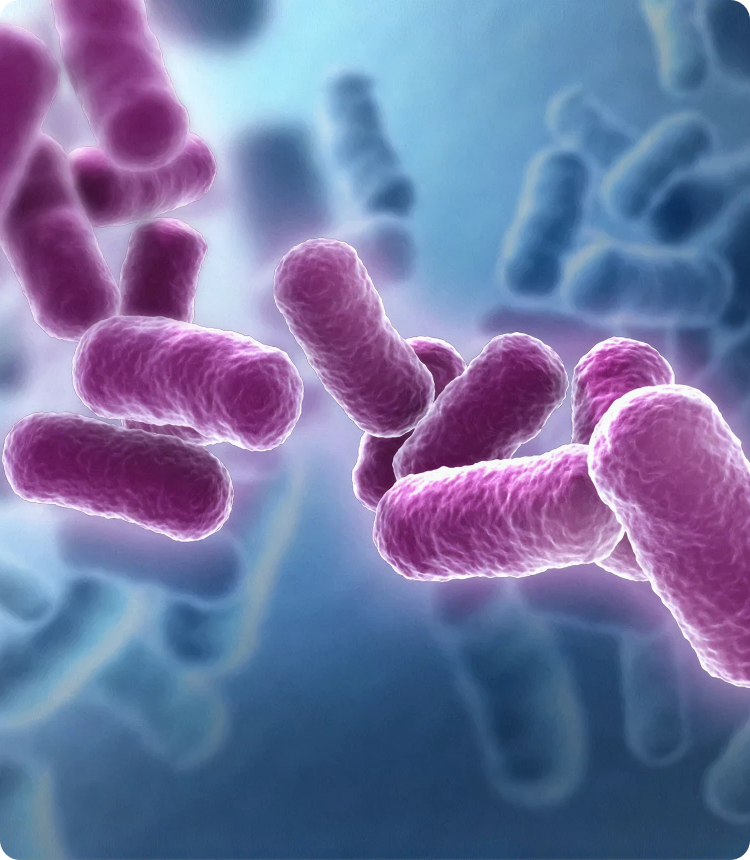
- Infectious diseases refer to a category of illnesses caused by pathogens including bacteria, viruses, fungi and parasites that invade the human body, proliferate and infiltrate tissues and organs. Such invasion triggers immune responses and inflammatory reactions in the host, further resulting in tissue damage or organ dysfunction.
- Severe infections such as sepsis are life-threatening organ dysfunctions stemming from dysregulated host immune and metabolic responses to infection. Respiratory tract infections are prevalent clinical entities and often coexist with chronic respiratory diseases represented by COPD.
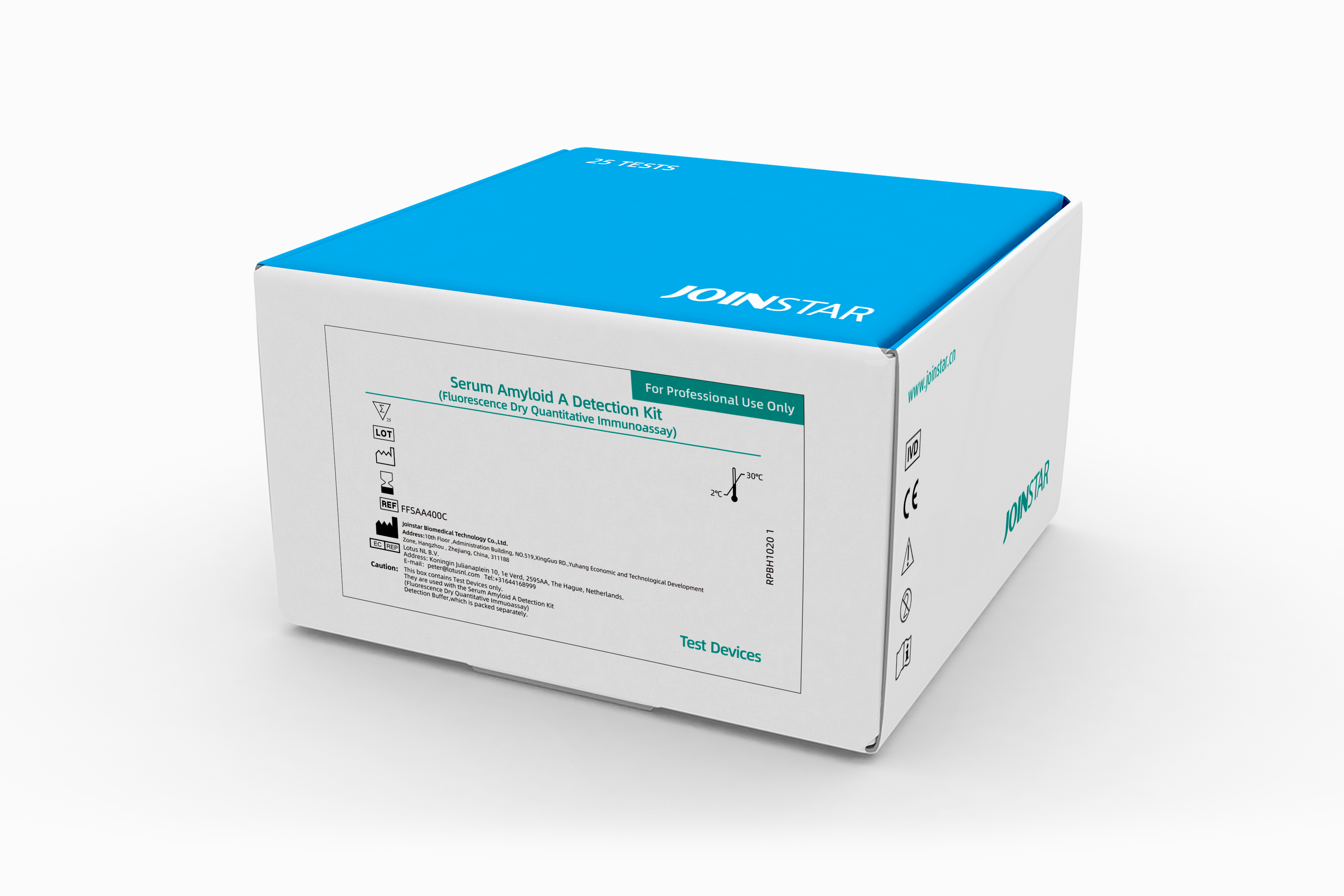
- JOINSTAR's Infection Solution integrates core biomarkers including HBP, PCT, CRP, SAA, and IL-6, providing a full-process management solution from early infection warning to sepsis diagnosis and monitoring. Heparin-binding protein (HBP) is the core innovative marker of this solution.

Clinical Applications
- HBP is a broad-spectrum marker of organ injury derived from neutrophils, which degranulate after activation to release HBP, targeting endothelial cells. HBP had a pooled sensitivity of 0.85 and a pooled specificity of 0.91 for the diagnosis of sepsis, which had a higher sensitivity and specificity when compared with PCT (0.75 and 0.85) as well as CRP (0.75 and 0.71).
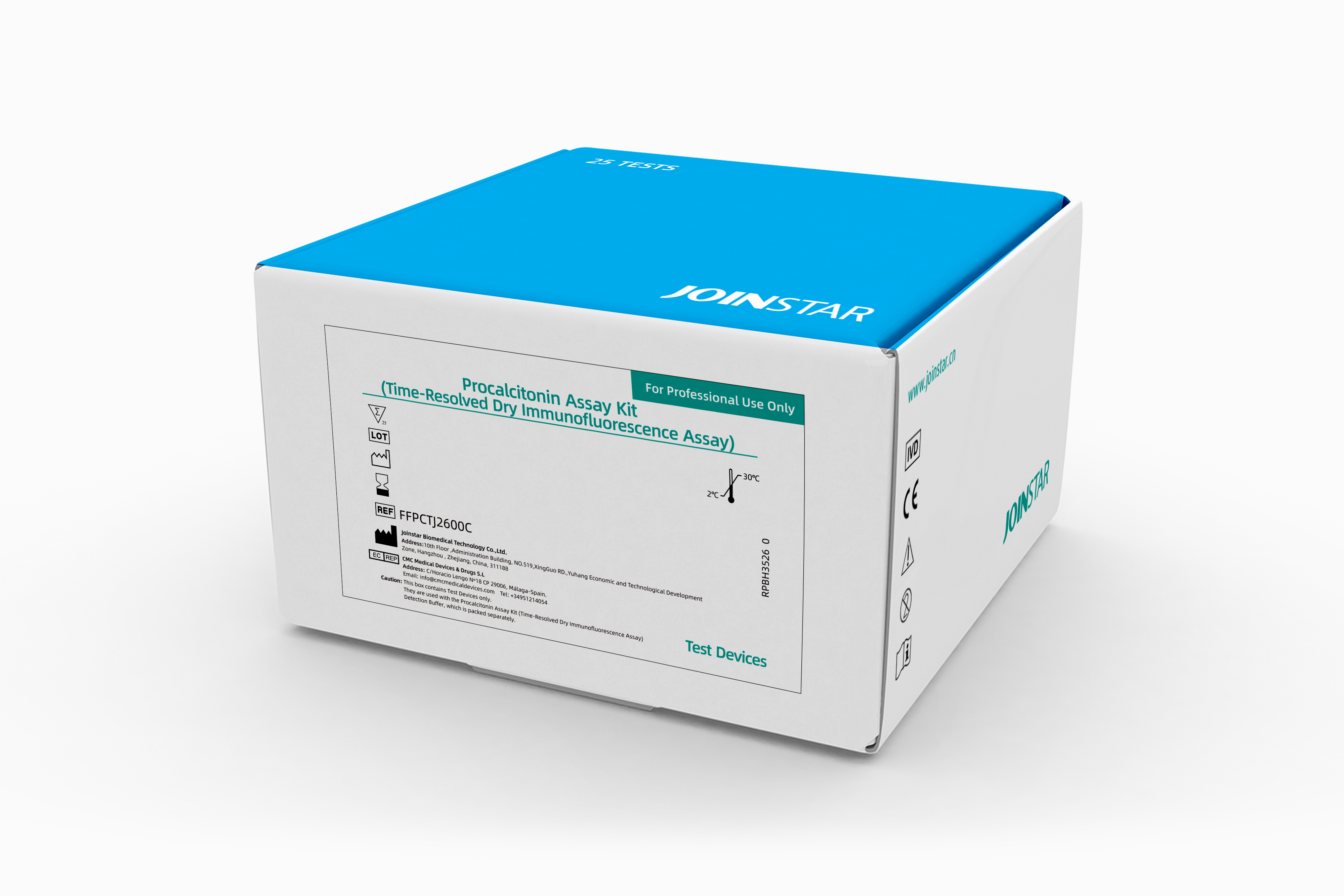
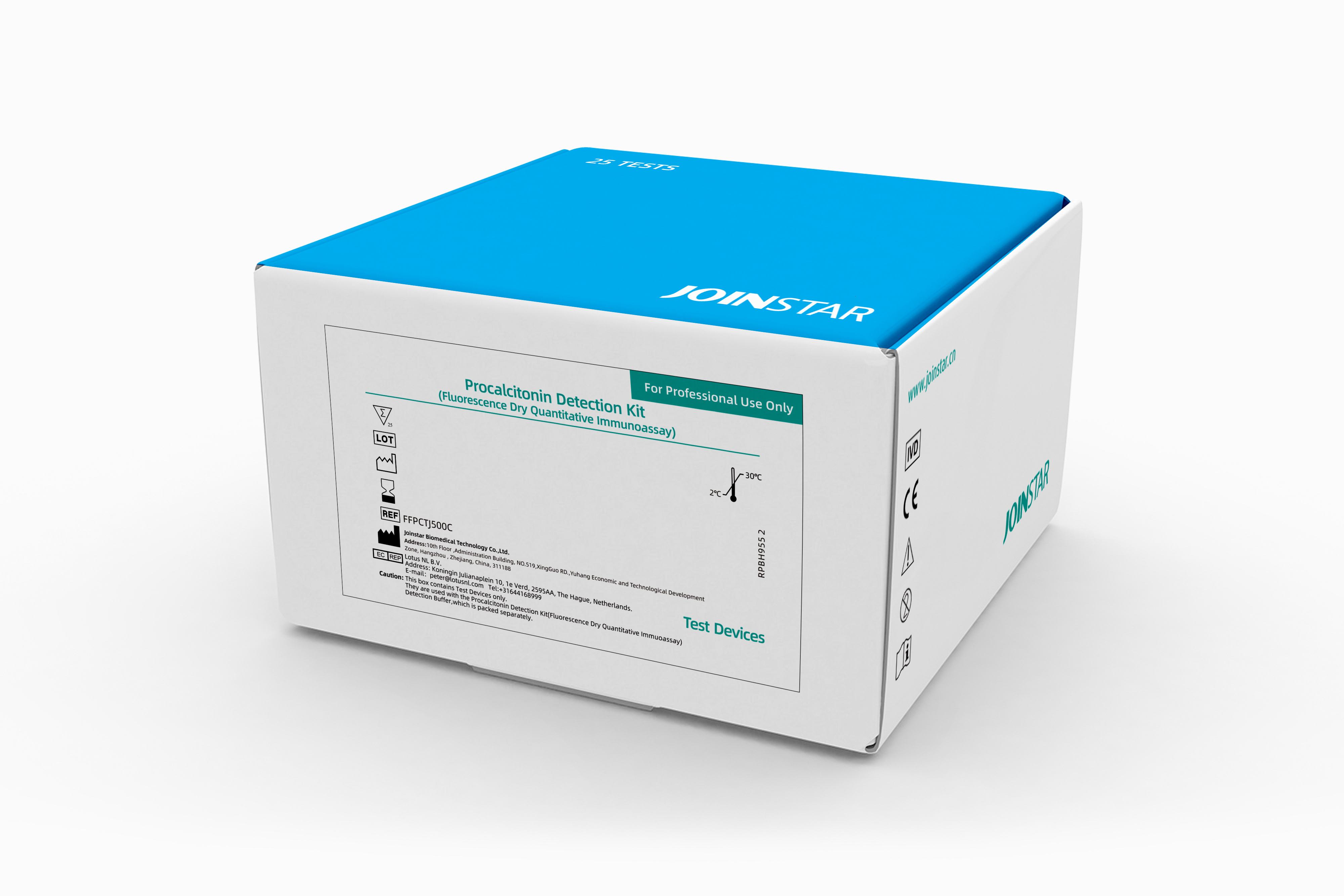
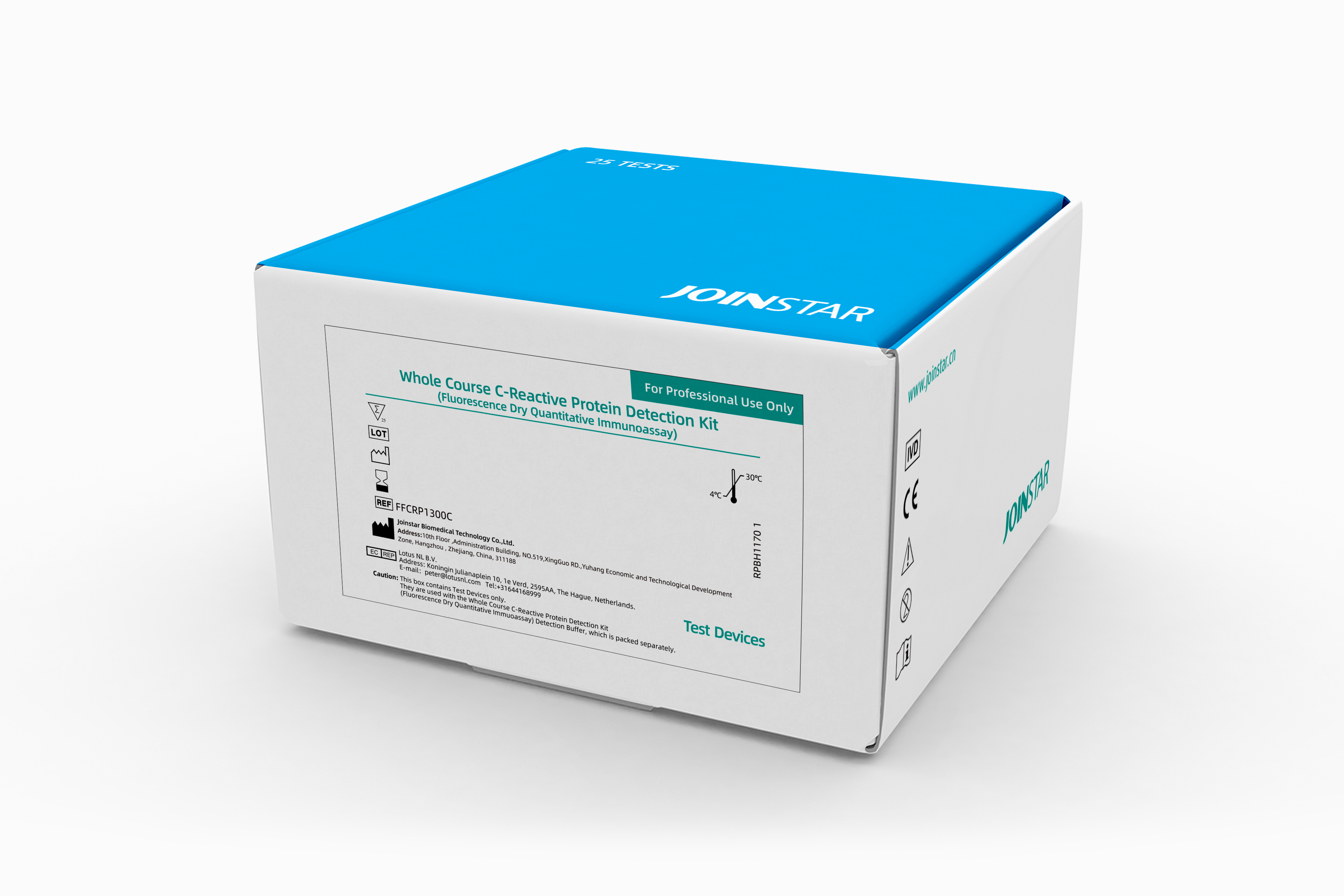
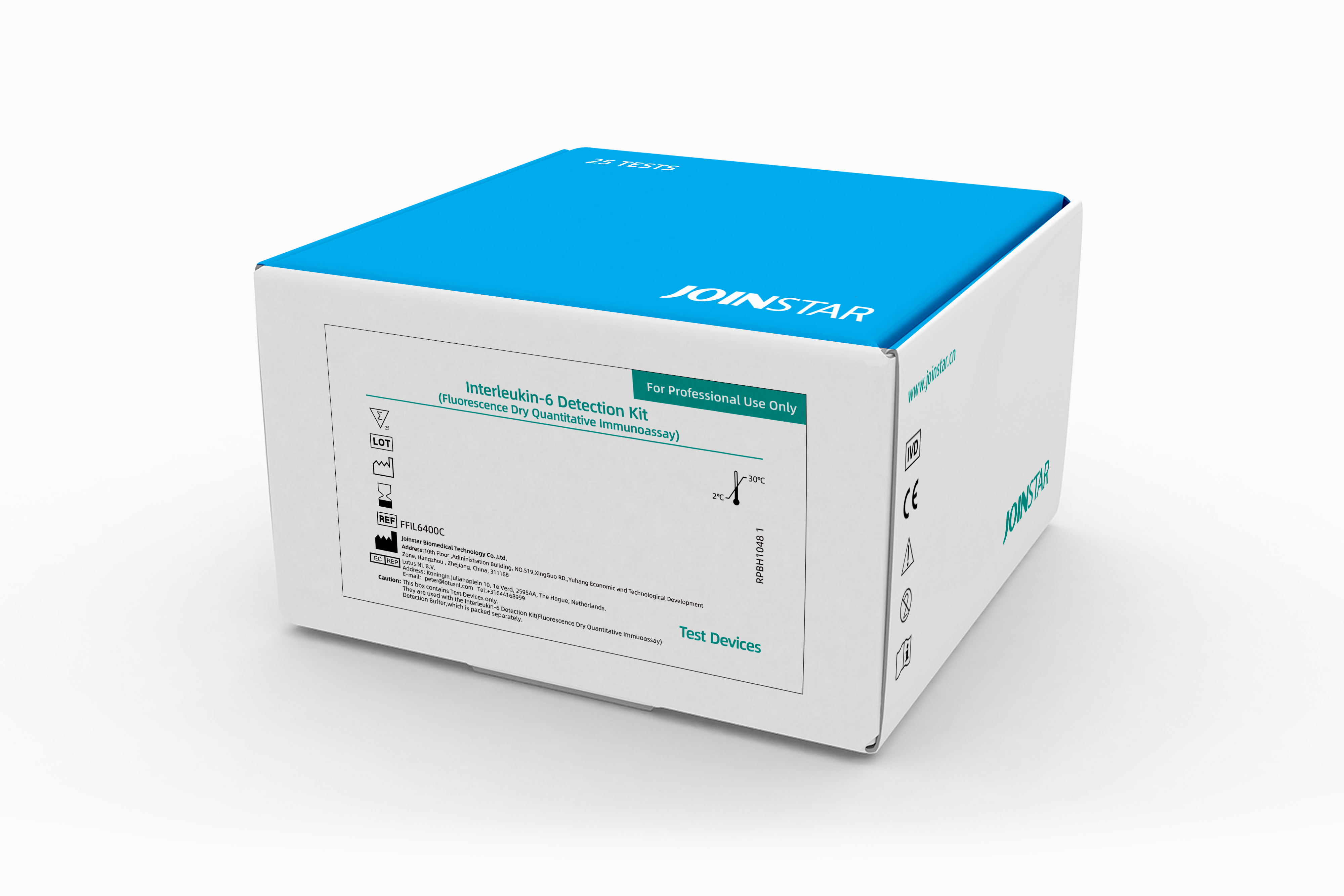
- PCT is a useful biomarker of bacterial infection related to reduced duration of antibiotic therapy. IL-6 rises rapidly after infection and stimulates the synthesis of CRP and SAA in hepatocytes. The combination of CRP and SAA can provide better differentiation of infection.
- Infectious Disease Department: Pathogen differentiation of bacterial infection and antibiotic treatment guidance.
- Emergency Department: Rapid differential diagnosis of infected patients and early sepsis screening.
- ICU: Sepsis diagnosis, disease stratification, and dynamic treatment monitoring.
 Prev:
Prev:
None
 Next:
Next:
None