



 Home
 Solutions
Suboptimal Health Management Solution
Suboptimal Health Management Solution
Back List


Introduction
- The absence of obvious disease does not mean that every organ is functioning at its best. Persistent stress, insufficient sleep, irregular eating patterns and metabolic abnormalities may gradually impair organ function and immune balance long before noticeable symptoms appear.
- The Joinstar Suboptimal Health Management Solution is built on multidimensional biomarker testing, with a focus on the heart, liver, stomach and immune system. It helps identify potential health risks and provides a reference for personalized health assessment, evidence-based intervention and long-term health management.
Cardiac Health Assessment
- Cardiac health is not only about current pumping performance; it is also closely linked to myocardial fibrosis and ventricular remodeling.
- Testing for sST2 (soluble suppression of tumorigenicity 2) supports the assessment of risks related to myocardial fibrosis and ventricular remodeling, providing a reference for risk stratification and dynamic monitoring in high-risk cardiovascular populations.
- KEY BIOMARKERS sST2: assessment of myocardial fibrosis and ventricular remodeling.
- WHO SHOULD BE TESTED: People with hypertension, diabetes, obesity or metabolic syndrome, as well as those with cardiovascular risk factors or a relevant medical history.
Liver Health & Metabolic Risk Assessment
- Early-stage liver disease often produces no obvious symptoms, and routine liver enzyme tests may not fully reflect the extent of hepatocellular injury.
- CK18-M30/M65 testing takes a cell-injury perspective to support the assessment of hepatocyte apoptosis and necrosis, adding information to risk assessment for metabolic dysfunction-associated steatotic liver disease and other liver injuries.
- KEY BIOMARKERS CK18-M30: reflects hepatocyte apoptosis. CK18-M65: reflects total hepatocyte death (apoptosis and necrosis).
- WHO SHOULD BE TESTED: People with fatty liver, obesity, or abnormal lipid or glucose levels, as well as those with long-term alcohol use, long-term medication use, risk factors for liver disease or monitoring the efficacy of semaglutide in treating MASH.
Gastric Function & H. pylori Assessment
- Gastric health requires attention not only to whether an infection is present, but also to the condition of the gastric mucosa and functions related to acid secretion.
- Combining serological markers of gastric function with H. pylori testing establishes a more comprehensive pathway for gastric health assessment.
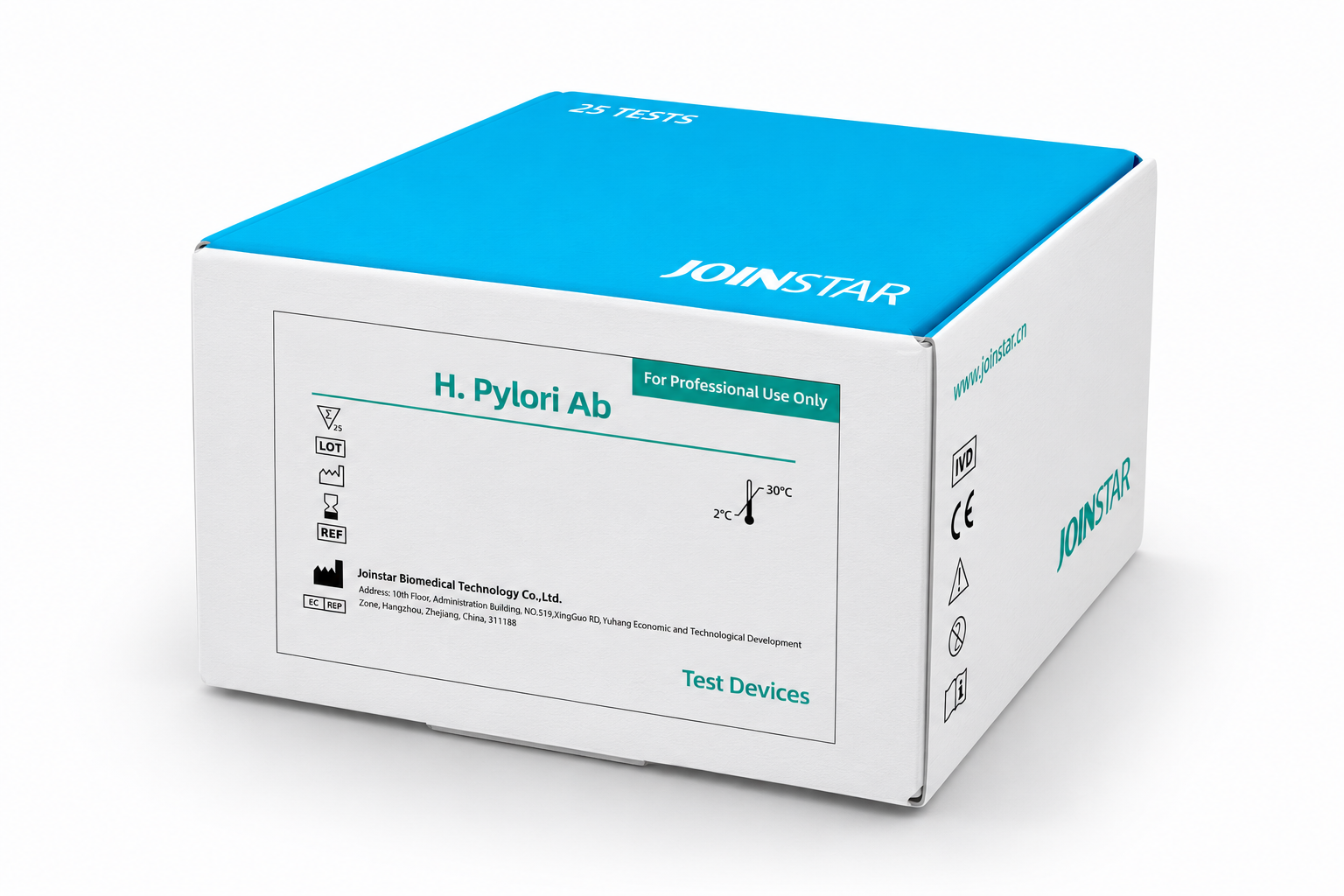
- KEY BIOMARKERS PGI: reflects the mucosal condition of the gastric body and fundus. PGII: supports assessment of mucosal activity in the stomach and duodenum. PGI/PGII (PGR): supports assessment of the risk of gastric body atrophy. G-17: reflects antral function and aspects of acid secretion regulation. H. pylori Ag: assesses current H. pylori infection. H. pylori Ab: helps indicate past or current exposure to H. pylori infection.
- WHO SHOULD BE TESTED: People aged over 40, individuals infected with H. pylori, those with a family history of gastric cancer, and people with long-term gastric discomfort or a history of chronic gastric disease.
 Prev:
None
 Next:
None