






 Home
Home
 Products
Cardiovascular Disease (CVD)
Myoglobin (Myo)
Products
Cardiovascular Disease (CVD)
Myoglobin (Myo)
Myoglobin (Myo)
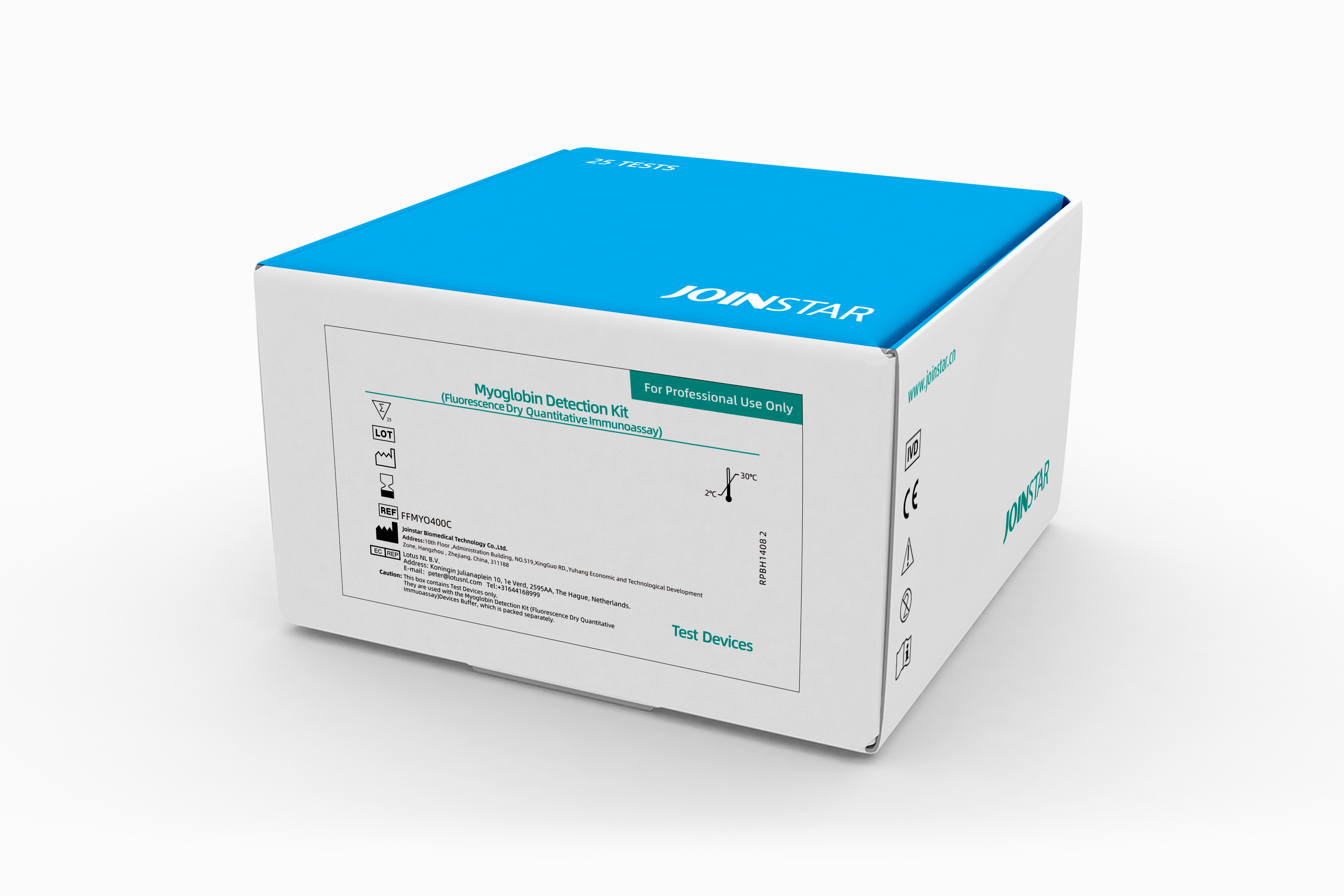
| Kit Name | Myoglobin detection kit |
| Method | Fluorescence dry quantitative immunoassay |
| Assay Measuring Range | 2.4ng/mL ~ 400ng/mL |
| Incubation Time | 10 min |
| Sample Type | Human serum, Plasma (EDTA), Whole Blood (EDTA) |
| Reference Range | < 2.4 ng/mL |
| Storage and Stability |
Detection Buffer: Stable for up to 18 months (Store at 2°C–8°C in a sealed, dark environment). Reaction Plate: Stable for up to 18 months (Store sealed at 2°C–30°C). |
Order Information
| Catalog No. | Product | Test/Kit |
| FFMYO400C | Myoglobin detection kit | 25 |

Corresponding platform
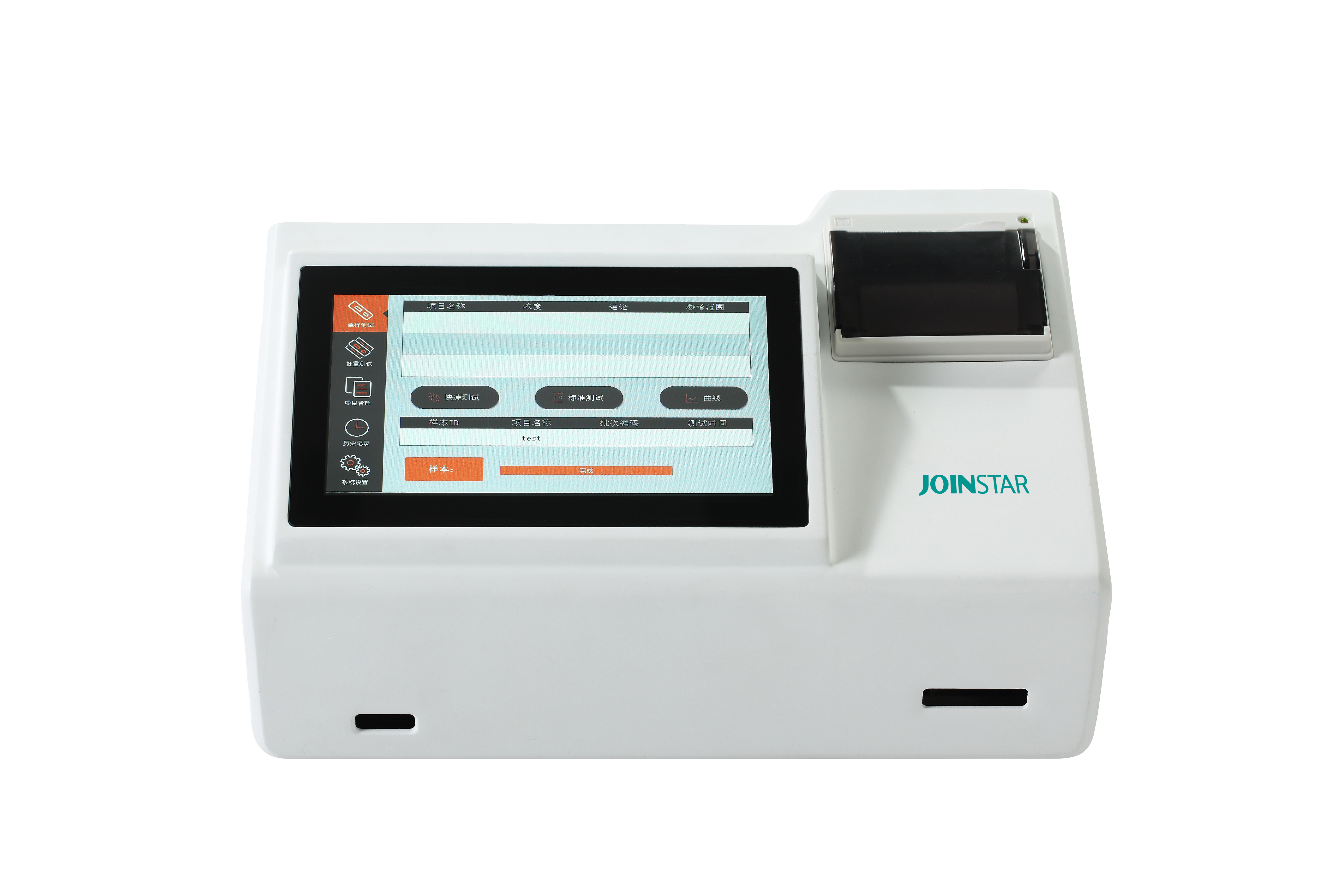
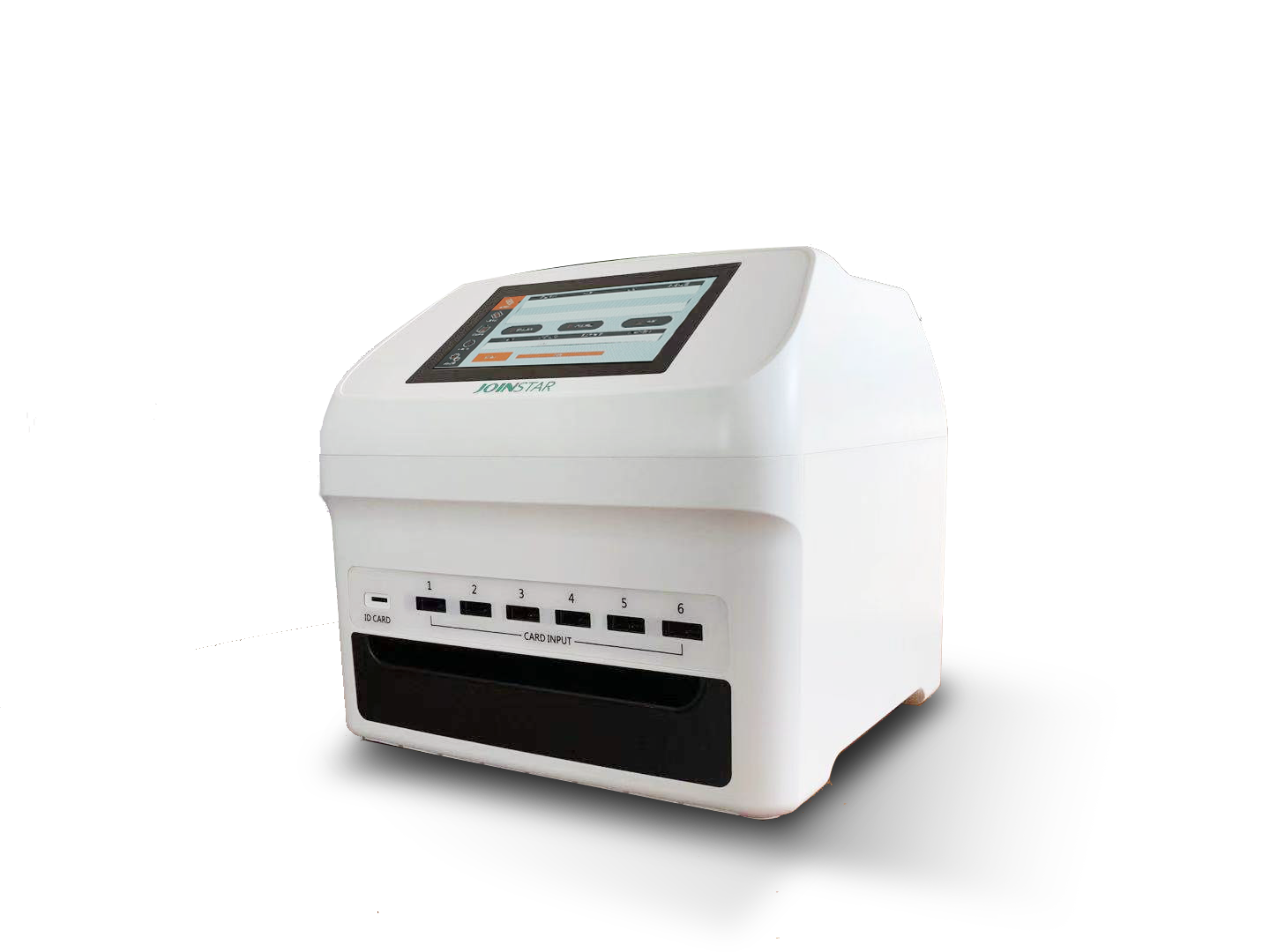
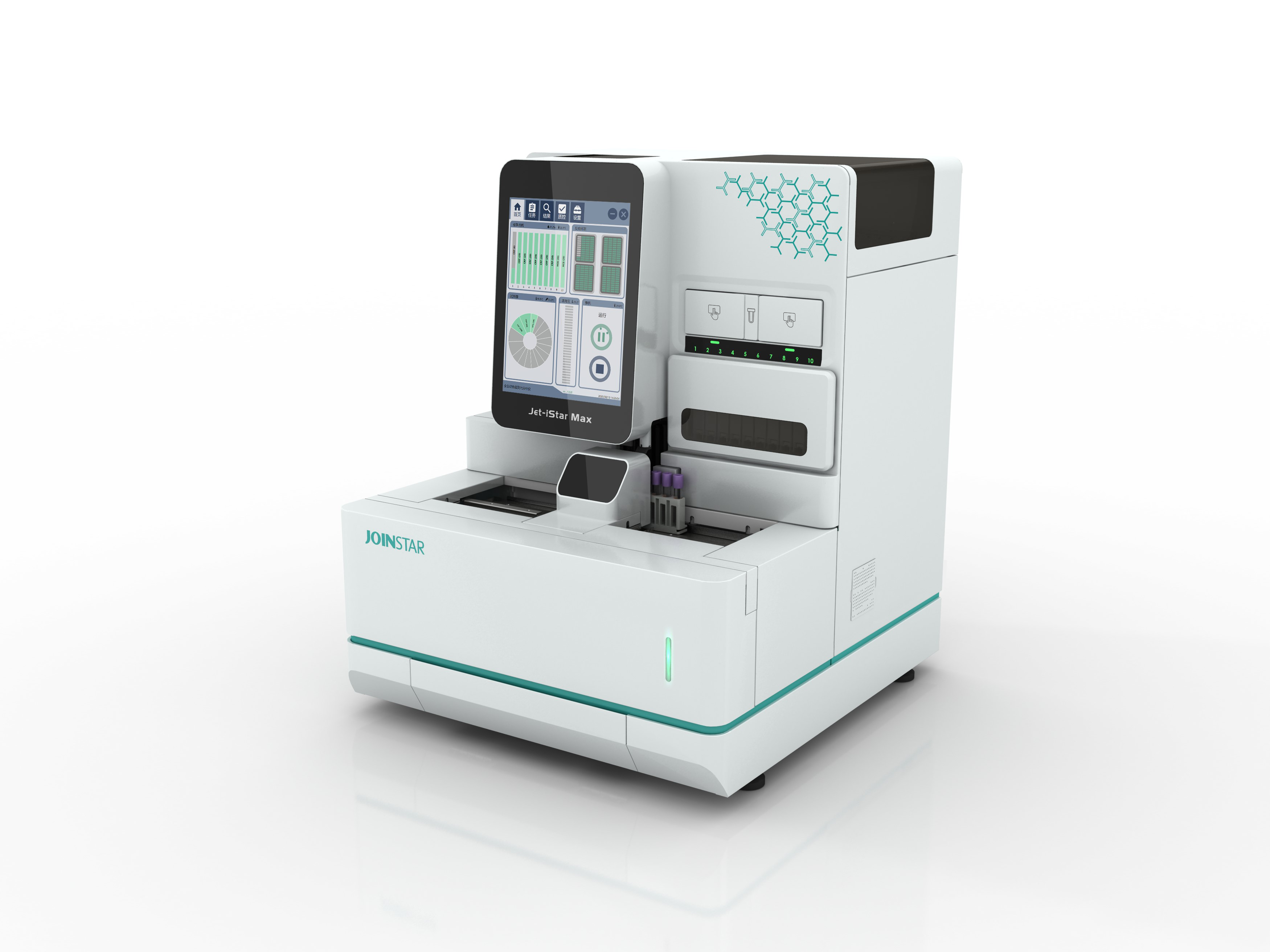
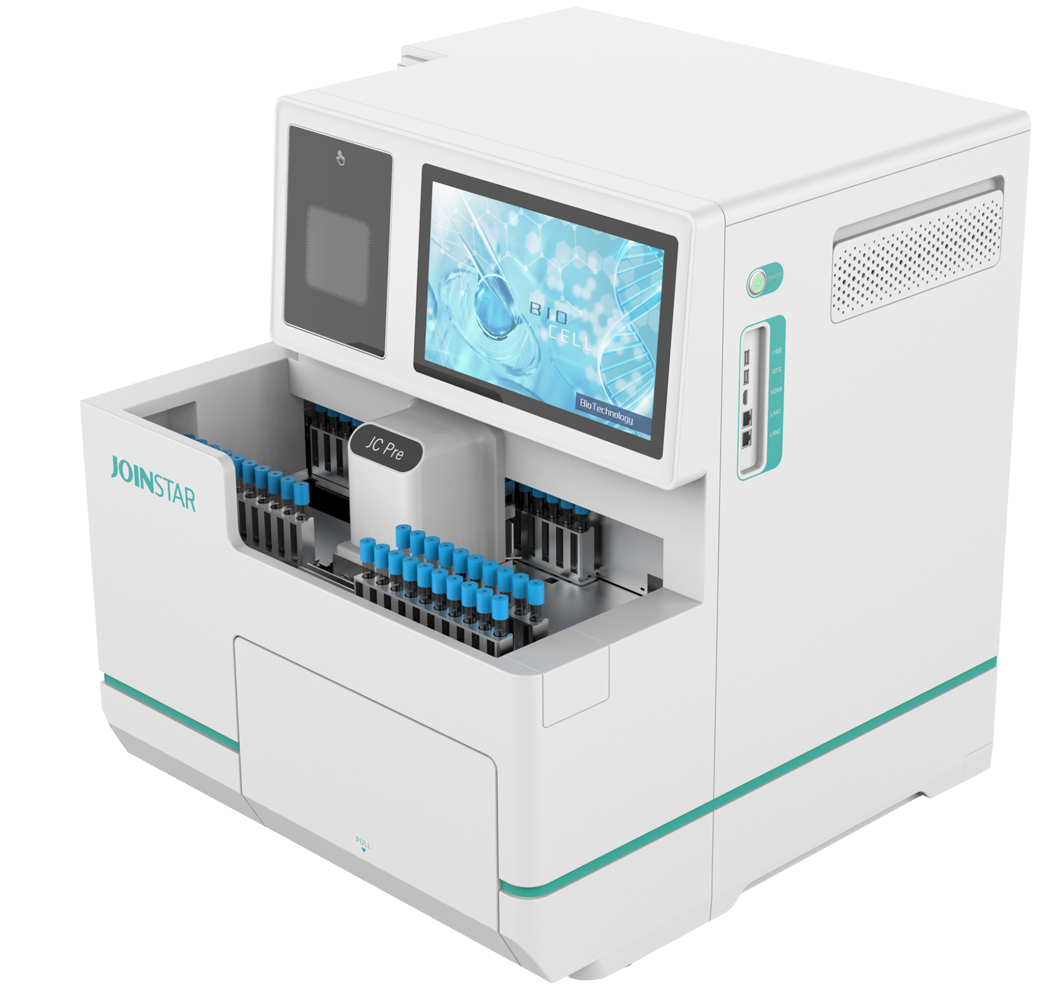
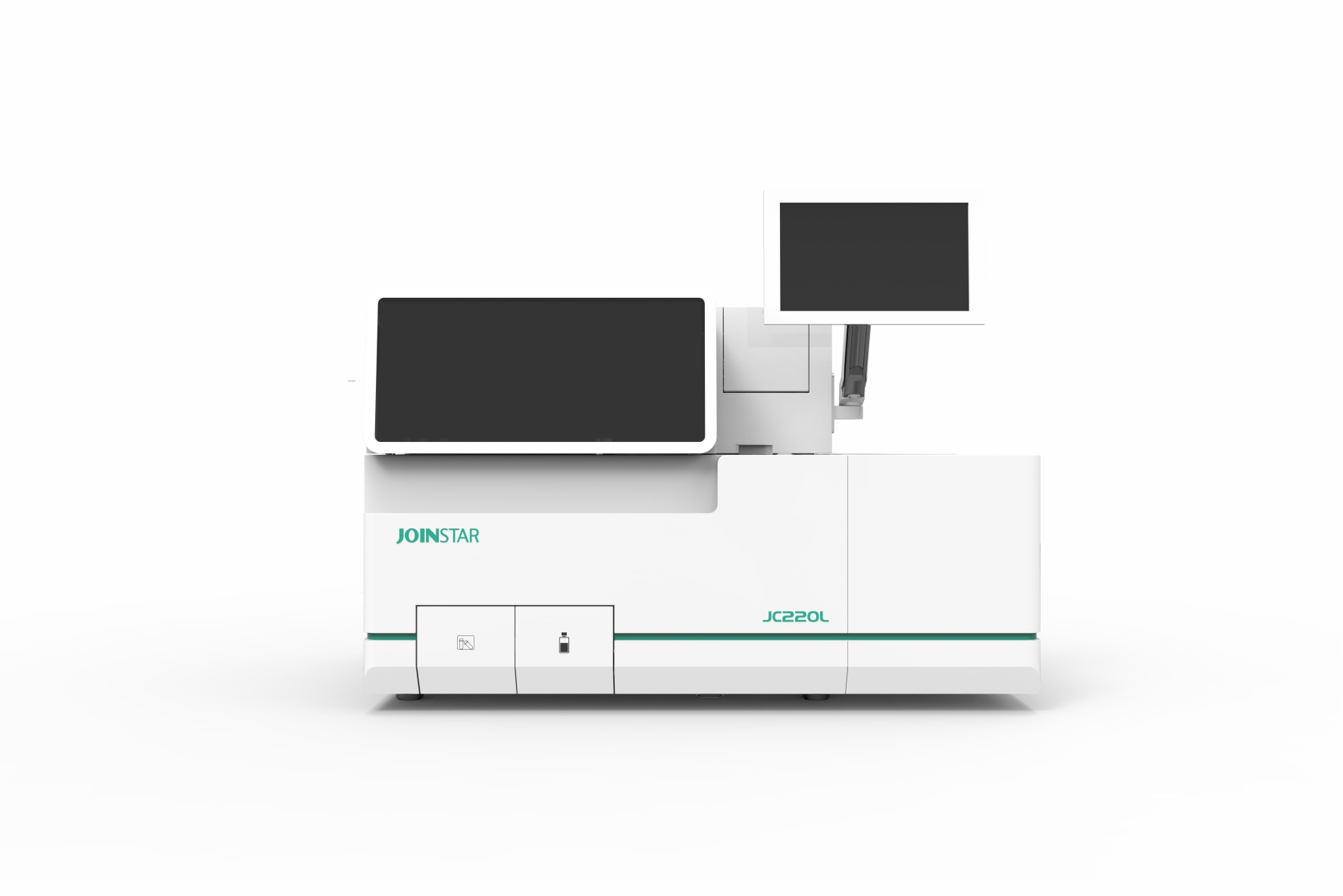
Learn about the details of the platform corresponding to this reagent
Introduction
Myoglobin (Myo) is a primary oxygen-carrying protein found abundantly in the cytoplasm of both cardiac and skeletal muscle cells. Because of its low molecular weight, it is one of the very first biomarkers to be rapidly released into the bloodstream following muscle tissue damage. In the event of an acute myocardial infarction (AMI), Myo levels typically begin to rise within just 1 to 3 hours after the onset of chest pain, peaking at around 6 to 9 hours. While it boasts high sensitivity for early detection, it is usually tested in combination with other highly specific cardiac markers (such as cTnI or CK-MB) to confirm myocardial injury and rule out skeletal muscle damage.
Clinical Applications

Early detection of myocardial injury and myocarditis.

Assess the area of myocardial injury.