



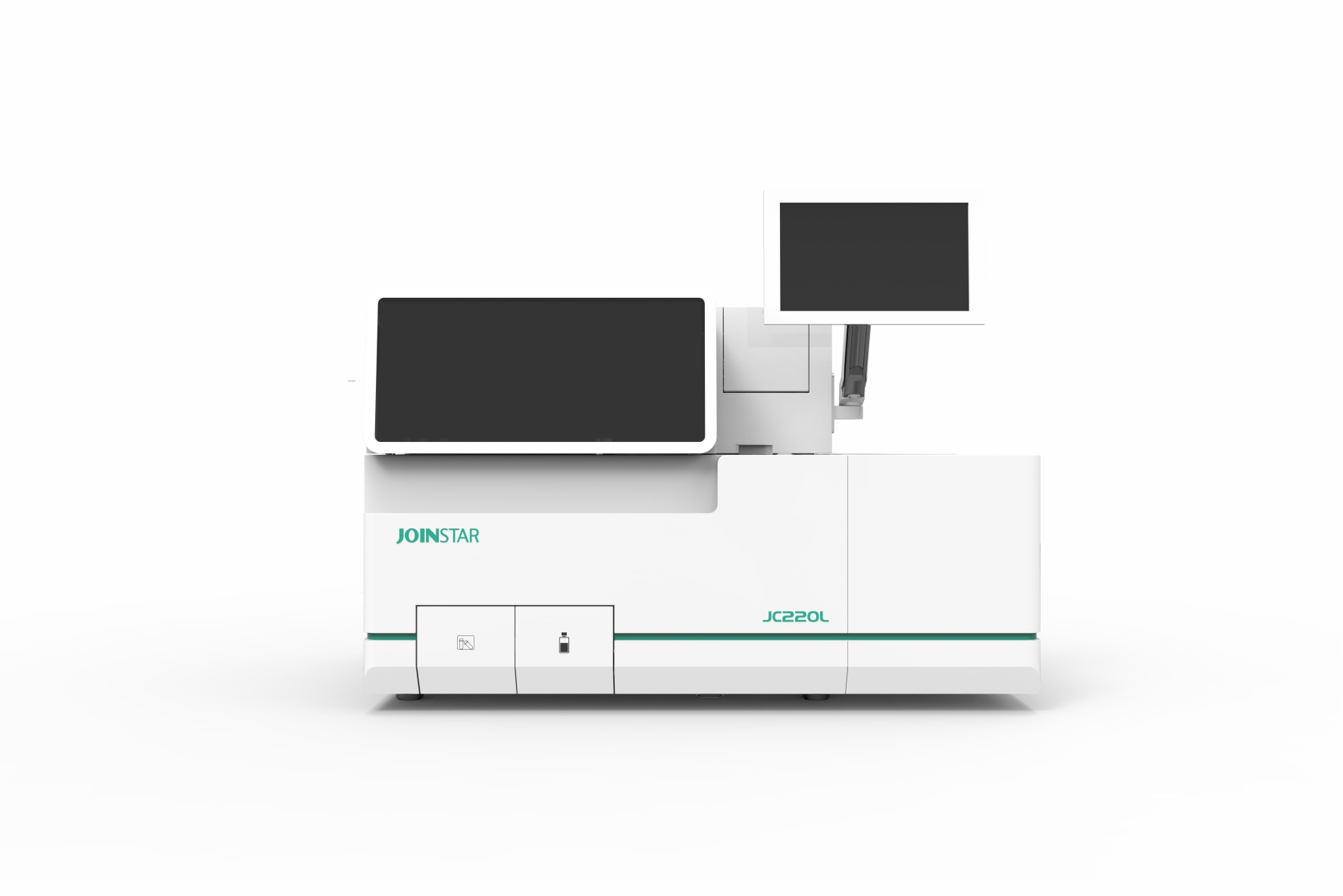



 Home
Home
 Products
Chronic Obstructive Pulmonary Disease
Sialylated Carbohydrate Antigen (KL-6)
Products
Chronic Obstructive Pulmonary Disease
Sialylated Carbohydrate Antigen (KL-6)
Sialylated Carbohydrate Antigen (KL-6)
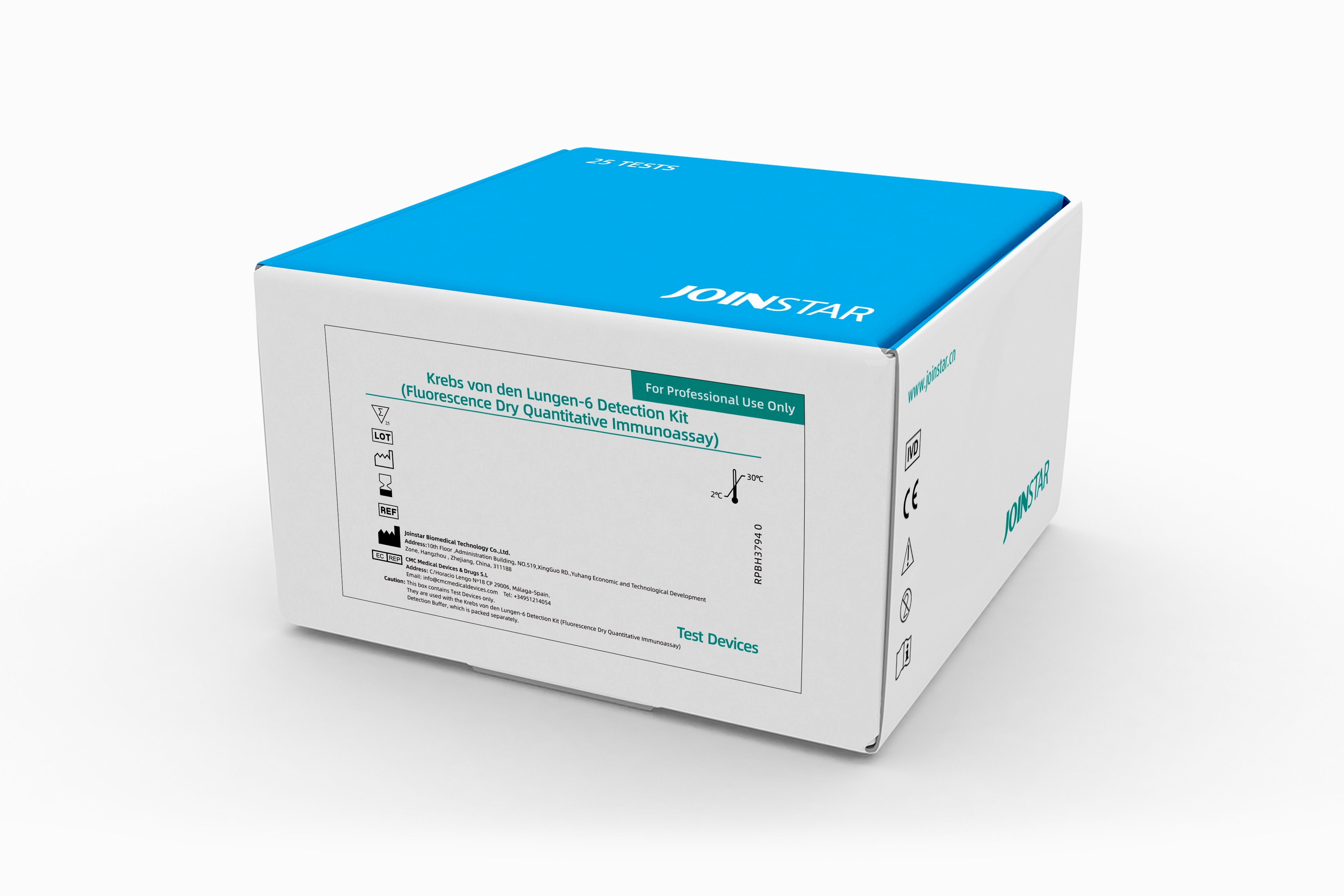
| Kit Name | Krebs von den Lungen-6 Detection Kit |
| Method | Fluorescence dry quantitative immunoassay |
| Assay Measuring Range | 51 U/mL ~ 3,000 U/mL |
| Incubation Time | 10 min |
| Sample Type | Human serum, Plasma (EDTA), Whole Blood (EDTA) |
| Reference Range | |
| Storage and Stability |
Detection Buffer: Stable for up to 18 months (Store at 2°C–8°C in a sealed, dark environment). Reaction Plate: Stable for up to 18 months (Store sealed at 2°C–30°C). |
Order Information
| Catalog No. | Product | Test/Kit |
| FFKL6500C | Krebs von den Lungen-6 Detection Kit | 25 |

Introduction
KL-6 (Sialylated Carbohydrate Antigen) is a highly specific, high-molecular-weight glycoprotein predominantly expressed on the surface of alveolar type II epithelial cells. When lung tissue is injured or undergoes chronic inflammation, the alveolar-capillary barrier is compromised, causing KL-6 to be released into the bloodstream at elevated levels.
Clinical Applications


Early Warning & Risk Stratification
Serves as a critical biomarker for the early warning of chronic obstructive pulmonary disease (COPD), helping clinicians identify high-risk patients and subclinical lung injury before severe respiratory decline occurs.
Severity Assessment
The concentration of KL-6 in the blood positively correlates with the extent of alveolar damage, providing an objective metric to evaluate the clinical severity of COPD and associated interstitial lung abnormalities.
Prediction of Acute Exacerbations
Elevated KL-6 levels can indicate active epithelial damage and heightened inflammation, assisting physicians in predicting potential acute exacerbations and implementing early interventions.
Treatment Monitoring & Management
Enables dynamic tracking of patient response to therapeutic regimens. Continuous monitoring of KL-6 helps optimize personalized treatment plans and assess the long-term efficacy of respiratory interventions.