


 Home
Home
 Products
Infection
Heparin Binding Protein (HBP)
Products
Infection
Heparin Binding Protein (HBP)
Heparin Binding Protein (HBP)
Key Product Characteristics
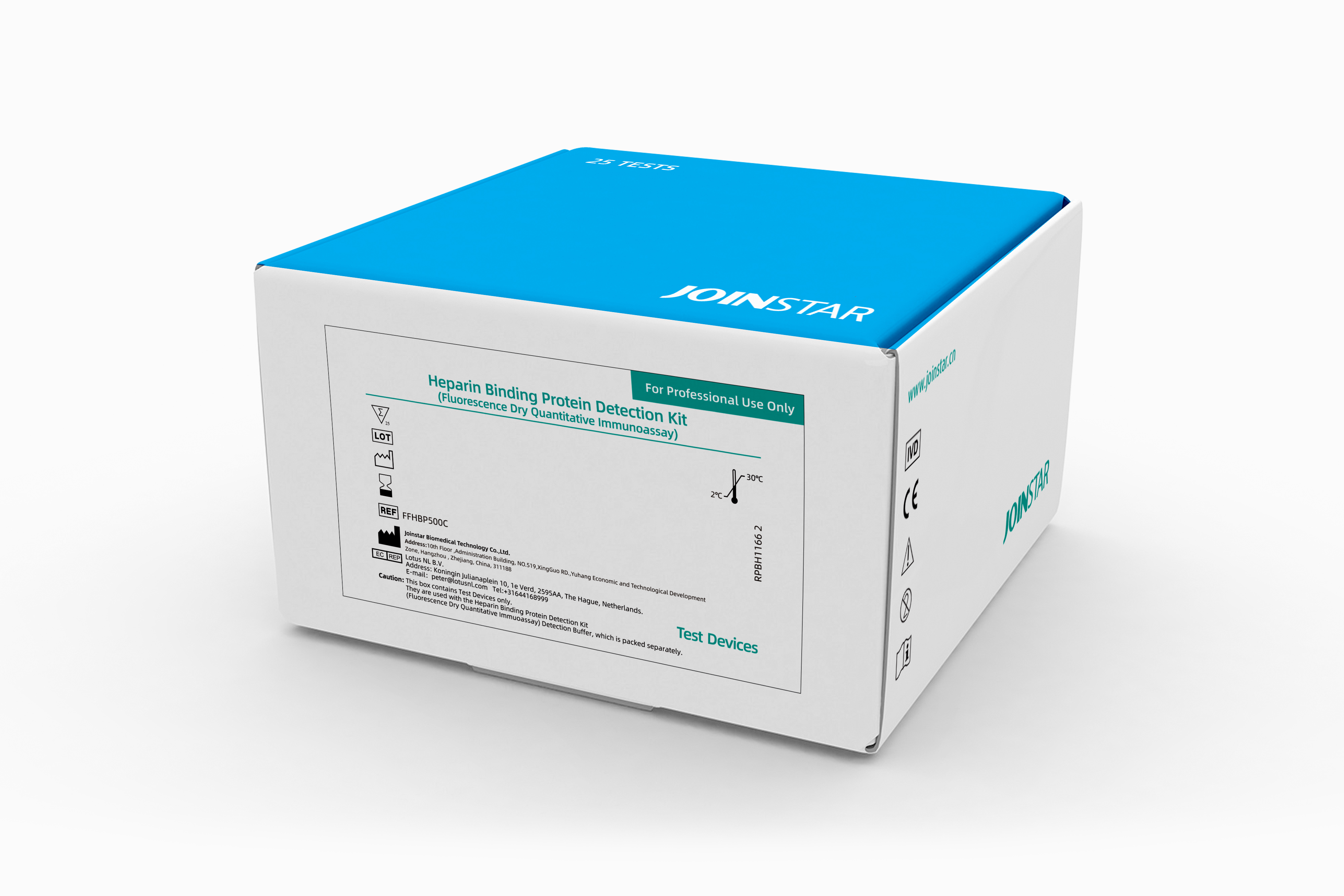
| Kit Name | Heparin Binding Protein Detection Kit |
| Method | Fluorescence dry quantitative immunoassay |
| Assay measuring range | 5.9ng/mL ~ 300.00ng/mL |
| Incubation time | 18min |
| Sample | Human plasma (1:9 Sodium citrate) |
| Reference range | <11.4ng/mL |
| Storage and Stability |
Detection Buffer: Stable for up to 18 months (Store at 2°C–8°C in a sealed, dark environment). Reaction Plate: Stable for up to 18 months (Store sealed at 4°C–30°C). |
Order Information
| Catlog No. | Product | Test/Kit |
| FFHBP500C | Heparin Binding Protein Detection Kit | 25 |

Introduction
HBP, also known as asplenkillin or CAP37, is present in neutrophil anilinophil blue granules and secretory vesicles and was first isolated in 1984 by Shafer et al.
The level of HBP in healthy people is extremely low, and once the body is infected, the pathogen rapidly stimulates neutrophils to release HBP with a half-life of only 1 hour.
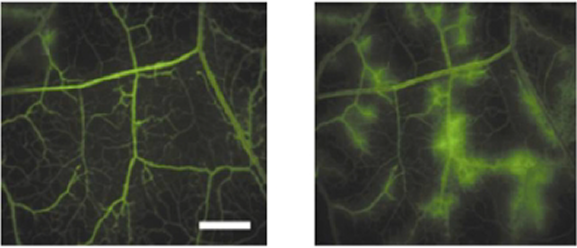
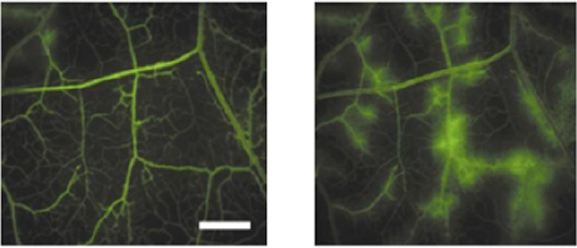
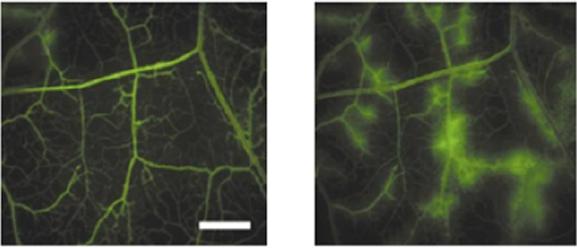
The released HBP has three major effects: bactericidal, chemotactic, and vascular leakage inducing effects


Clinical Applications


Infection Total Infection Management
Infection 24-48h monitoring: cytosis occurs in 89% of HBP after 30min of bacterial phagocytosis by neutrophils Consensus 2020 states that HBP is elevated earlier than IL-6 ; it is elevated more rapidly in bacterial infections and earlier as a predictor of sepsis.
ng PCI, the level of CK-MB was associated with impaired outcome.
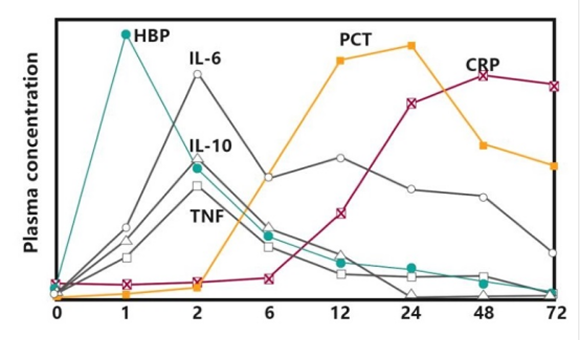
Sepsis 12-24h monitoring: the Guidelines 2014 state that HBP has a higher sensitivity and specificity than PCT. And as an inducer of vascular leakage, closely related to the severity of infection; high sensitivity and specificity Inducer of vascular leakage
Septic shock 6-12h monitoring: control HBP levels, reduce its toxic effects, alleviate excessive vascular leakage, use leakage modulating drugs, and adjust the treatment plan in a timely manner. Guidance on medication.
Organ Dysfunction Reduce the incidence of organ dysfunction
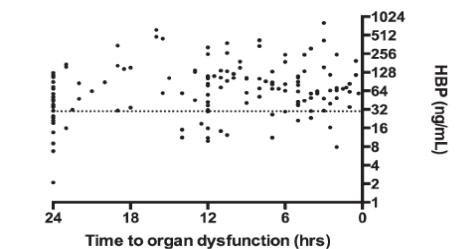
Prediction: The results of a European multicenter study (7 medical institutions in Sweden, Canada, and the United States) showed that HBP was elevated as early as 24 hours before the onset of organ dysfunction. Compared to other biomarkers, HBP was the best predictor of the occurrence of infection-related organ dysfunction with an area under the curve AUC of 0.8.
Intervention: HBP can cause vascular leakage and tissue edema, and its role as a causative factor is a potential target for heparin, albumin, and other drugs to treat organ dysfunction. Drugs such as neutrophil degranulation inhibitors, simvastatin, and dextran sulfate are effective in reducing the level of HBP in patients.
Binding HBP stabilizes PMN cell membrane and protects mucopolysaccharide on endothelial cell surface
Organ Failure Boosts Organ Failure Survival Rate
Prognostic assessment/adjustment of treatment plan
It was found that plasma HBP concentrations were significantly higher in 28-day non-surviving sepsis patients at enrollment and at the last measurement during the 144-hour study period than in surviving sepsis patients. Patients with sepsis with HBP >15 ng/ml at enrollment had a fourfold higher 28-day mortality rate [9].
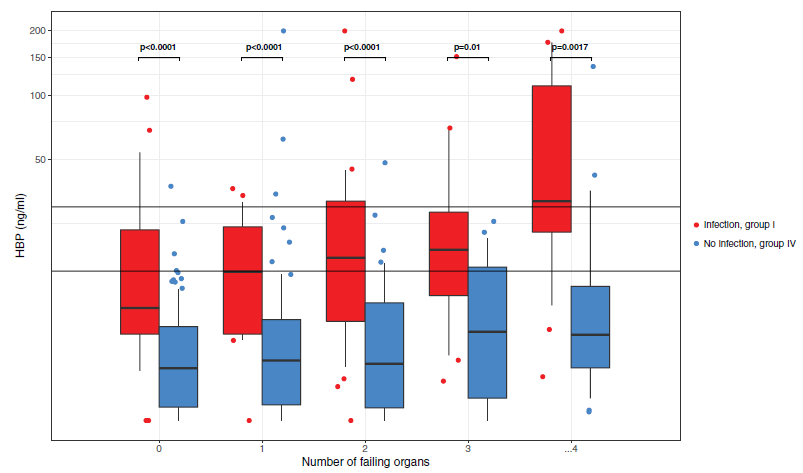
Meanwhile, HBP is positively correlated with the number of organ failures, and monitoring HBP levels can help the clinic to more accurately assess the organ failure of patients and adjust the treatment plan in a timely manner.